
How Skilled Touch Improves Animal Health
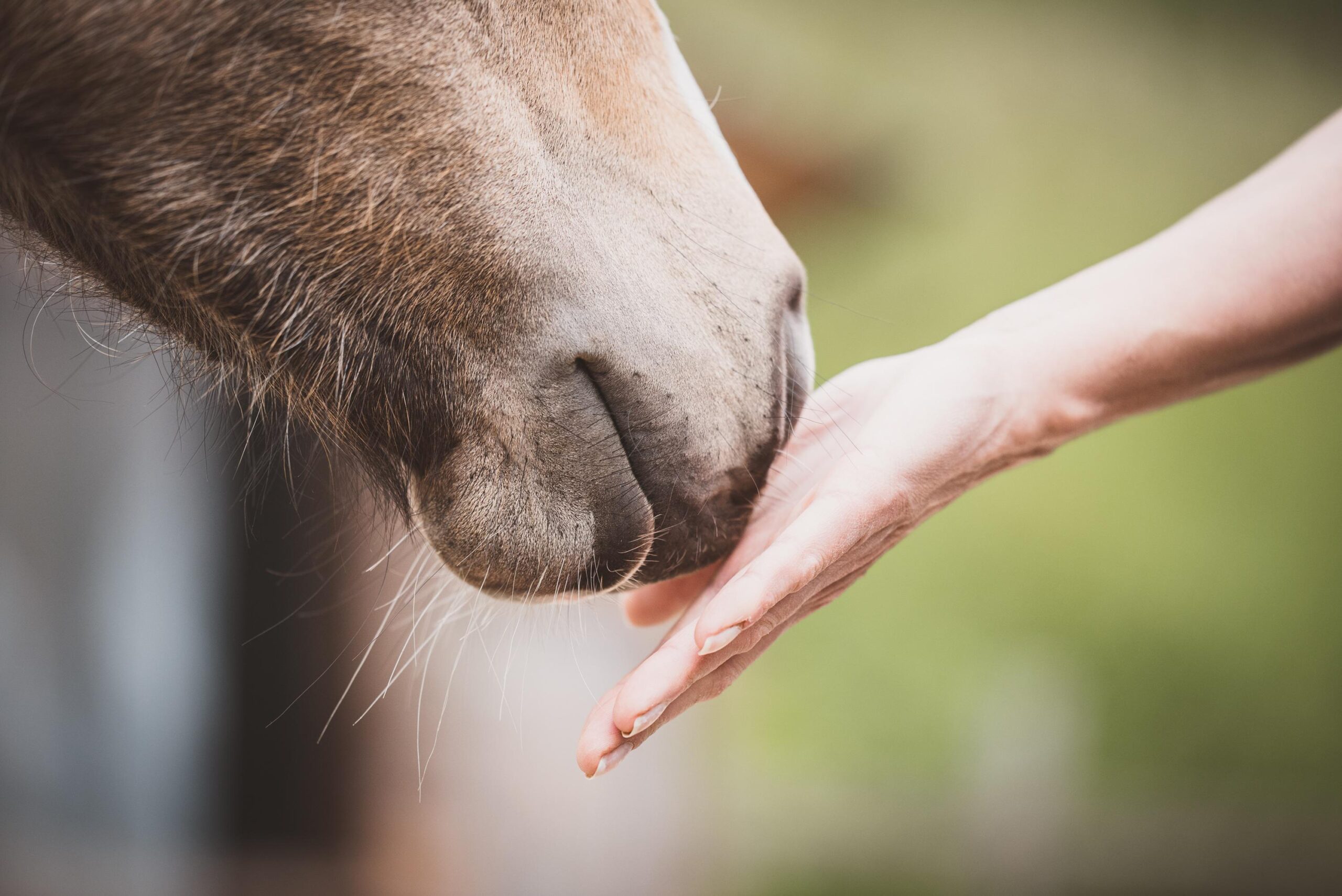
Animals communicate constantly—through posture, breath, small shifts in tension, and subtle changes in movement. When we learn to “listen” with our hands, those signals become clearer, and skilled touch becomes one of the most effective ways to support an animal’s physical comfort and emotional wellbeing.
Why Touch Matters
Touch isn’t just pleasant—it’s biologically powerful. When delivered with skill and intention, it can:
- Reduce muscular tension and guarding
- Improve circulation and lymph flow
- Support the nervous system’s shift toward rest and recovery
- Enhance range of motion and ease of movement
- Build trust and safety between animal and handler
Every one of these benefits contributes to healthier, more resilient animals.
How Skilled Touch Works in the Body
Skilled practitioners aren’t simply “rubbing muscles”—they are making informed, moment-by-moment decisions that support both safety and therapeutic impact.
When muscles tighten from work, stress, or compensation patterns, they restrict movement and compromise posture. Skilled touch helps:
- Interrupt tension cycles by signaling the tissue to soften
- Influence fascia so movement becomes smoother and more efficient
- Encourage circulation, delivering oxygen and nutrients where they’re needed
- Stimulate the parasympathetic nervous system, lowering heart rate and reducing stress hormones
- Improve proprioception, helping animals feel where their bodies are in space
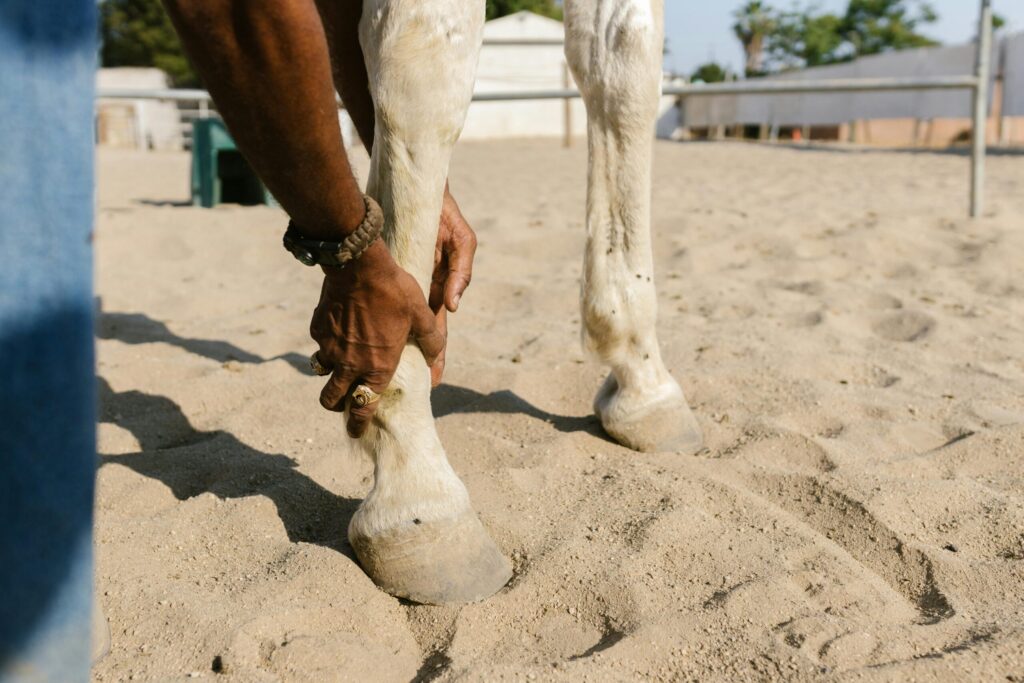
Over time, this leads to better biomechanics, fewer flare-ups of discomfort, and an overall improvement in how the animal uses their body.
Emotional Health Benefits
Animals don’t separate “body” from “mind” the way humans do. When the body feels better, behavior changes:
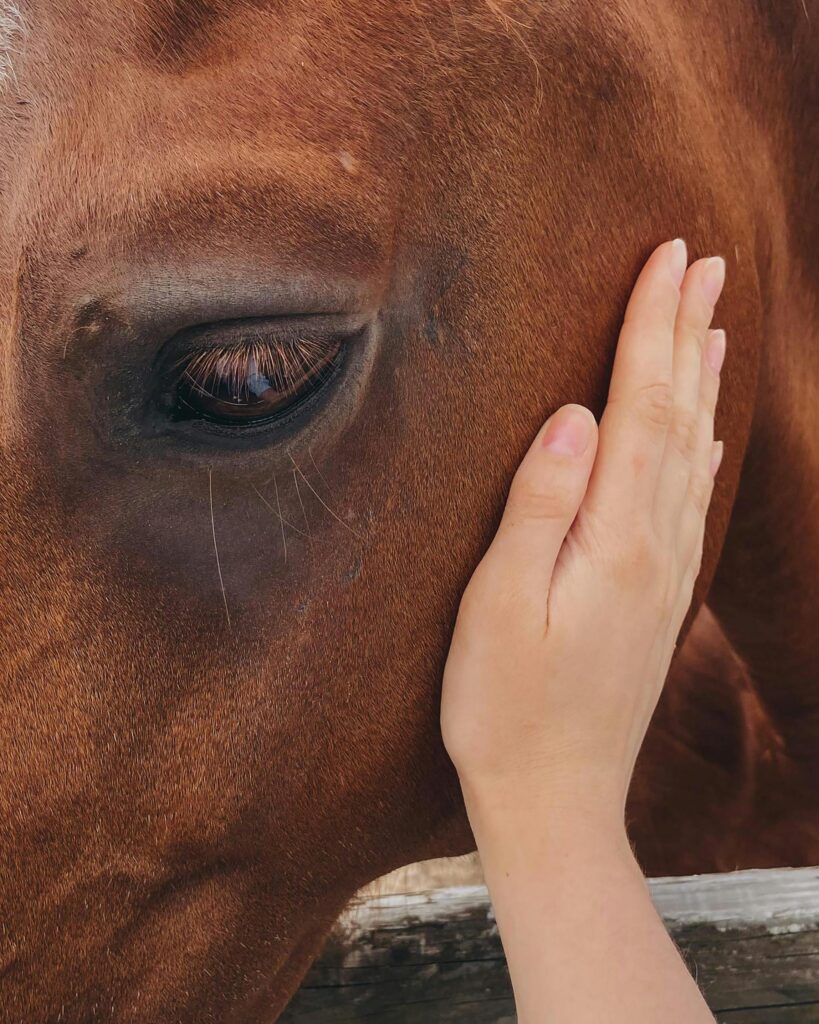
- Softer eyes and expression
- More willingness to engage or move
- Decreased reactivity
- Greater relaxation during handling
- Renewed ability to focus, learn, and connect
For sensitive animals, skilled touch becomes a bridge: it grounds them, builds confidence, and helps them “reset” from stressful experiences.
Why Skill Matters
Not all touch is equal. Effective bodywork requires:
- Knowledge of anatomy and movement patterns
- An understanding of tissue layers and how they respond
- The ability to read subtle communication signals
- A commitment to consent-based handling
- Awareness of when not to touch
Skilled practitioners aren’t simply “rubbing muscles”—they are making informed, moment-by-moment decisions that support both safety and therapeutic impact.
A Partnership Approach
The best bodywork sessions aren’t something done to the animal—they’re something done with them. Skilled touch encourages:
- Voluntary participation
- Micro-adjustments that keep the animal comfortable
- Opportunities for the animal to explore what feels good and safe
- Real-time feedback from posture, breath, and movement
This respectful approach is what transforms bodywork from a technique into a true partnership.
The Bigger Picture
When animals feel better in their bodies, everything improves:
- Athletic performance
- Daily comfort
- Recovery from exertion
- Confidence in training
- Longevity and quality of life
Skilled touch supports the whole animal—physically, emotionally, and behaviorally.